
5 Best YNAB Alternatives for a Simpler Daily Budget (2026)
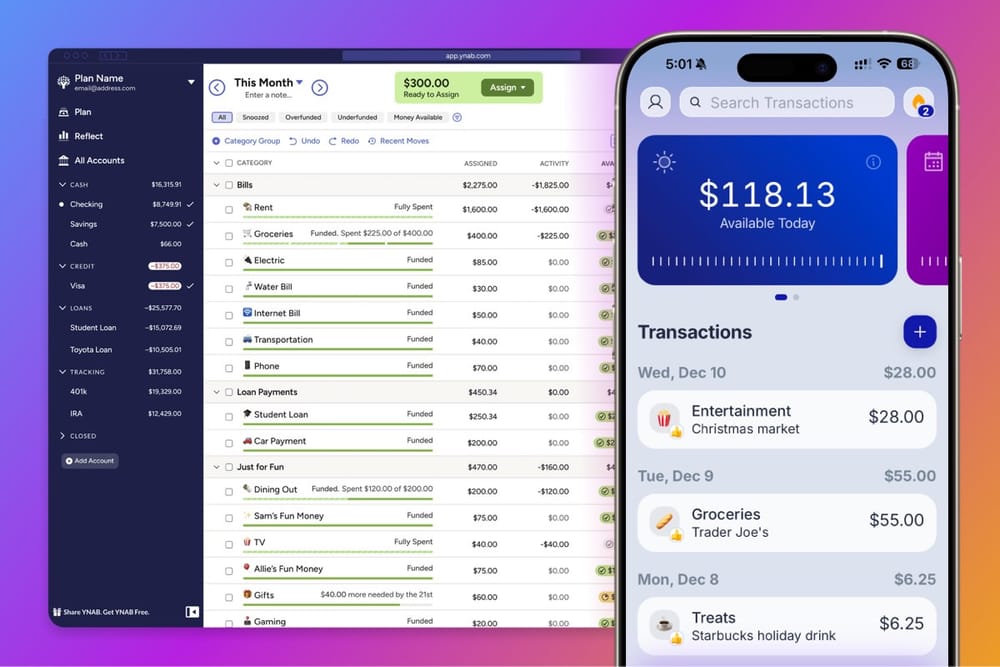
YNAB has a cult-like following, a subreddit with over 200,000 members, and people who credit it with changing their financial lives.
So why are so many people searching for alternatives?
Because YNAB isn't bad — it's heavy. Opening it feels less like checking a budget and more like clocking in for a second shift. If that's you, this post is for you.
Looking for something beyond YNAB alternatives? I also compared the best expense tracker apps for iPhone if you want to see the full landscape.
But first — let's make sure you're in the right place.
Is This Post for You?
This is NOT for you if:
- You love YNAB's methodology but want it cheaper. (Try Actual Budget — open-source, envelope budgeting, built-in YNAB importer.)
- You want to move your YNAB categories and data somewhere else 1:1. (Actual Budget or Buckets.)
- You want YNAB but with more features. (Monarch Money adds investment tracking on top.)
This IS for you if:
- You downloaded YNAB and felt overwhelmed within the first week
- You've watched 3+ tutorials and still don't get the credit card thing
- You don't want to manage 15+ budget categories
- You just want one answer: Can I afford this right now?
Still here? Good.
Is YNAB Worth It? Why It's the Gold Standard for Some
Zero-based budgeting — where every dollar gets assigned a job before you spend it — is a proven system. People who stick with it save thousands. YNAB says their average user saves $6,000 in year one, and Reddit backs that up.
The community is top-tier. The r/ynab subreddit, the workshops, the blog — YNAB has one of the best personal finance education ecosystems out there. Their four rules are worth learning even if you never open the app.
And it handles complexity like nothing else. Variable income, debt payoff, multiple accounts, credit card float — YNAB has a system for all of it.
So what's the problem?
Why People Look for YNAB Alternatives
The learning curve. YNAB offers a 34-day free trial because they know you'll need most of it just to figure things out. Users on Reddit describe spending their first two weeks watching tutorials. One person on a forum nailed it: "I tried all the YouTuber videos and it just confuses me. I just don't think I have the mental capacity to understand it."
That's not a failure of intelligence. It's a tool mismatch.
Credit cards. YNAB's Achilles' heel. There are entire Reddit threads dedicated to explaining credit cards in YNAB "like I'm 5." When your budgeting app needs a decoder ring, something's off.
$109/year. YNAB frames it as "30 cents a day." But when you're just starting to budget, spending $109 on a budgeting tool feels counterproductive. The irony of needing to budget for your budget app is not lost on anyone.
15+ categories. Groceries. Dining out. Coffee. Transportation. Clothing. Gifts. Pet food. Entertainment. Subscriptions. If you love that level of detail — great. Most people just want to know: "Is it okay to buy this?"
It's built for people who like budgeting. That's the real issue. YNAB is fantastic for people who enjoy financial planning as a hobby. Most people don't. Most people want budgeting to take as little time as possible.
Should You Stay or Switch?
Be honest with yourself.
Stay with YNAB if it's been 3+ months and it's clicking, you enjoy category management, you have complex finances, and the $109 feels worth it.
Look for simpler if you quit within a month, the word "reconciliation" makes you anxious, you don't want to categorize every purchase, and managing your budget feels like homework.
Neither answer is wrong.
YNAB vs Simple Daily Budget Apps: Different Problems, Different Tools
The alternatives below aren't trying to be a cheaper YNAB. They solve a different problem entirely.
YNAB asks: Where should every dollar go?
Simple daily budget apps ask: Can I afford this right now?
| What you want | YNAB | Simpler apps |
|---|---|---|
| Category-level budgeting | ✓ | |
| One number: what you can spend today | ✓ | |
| Zero-based envelope method | ✓ | |
| "Can I afford this?" guidance | ✓ | |
| 15+ spending categories | ✓ | |
| Zero category management | ✓ | |
| You enjoy financial planning | ✓ | |
| You want budgeting to be invisible | ✓ | |
| Complex debt payoff tools | ✓ | |
| Ready before your coffee gets cold | ✓ |
The 5 Best Simple Alternatives to YNAB
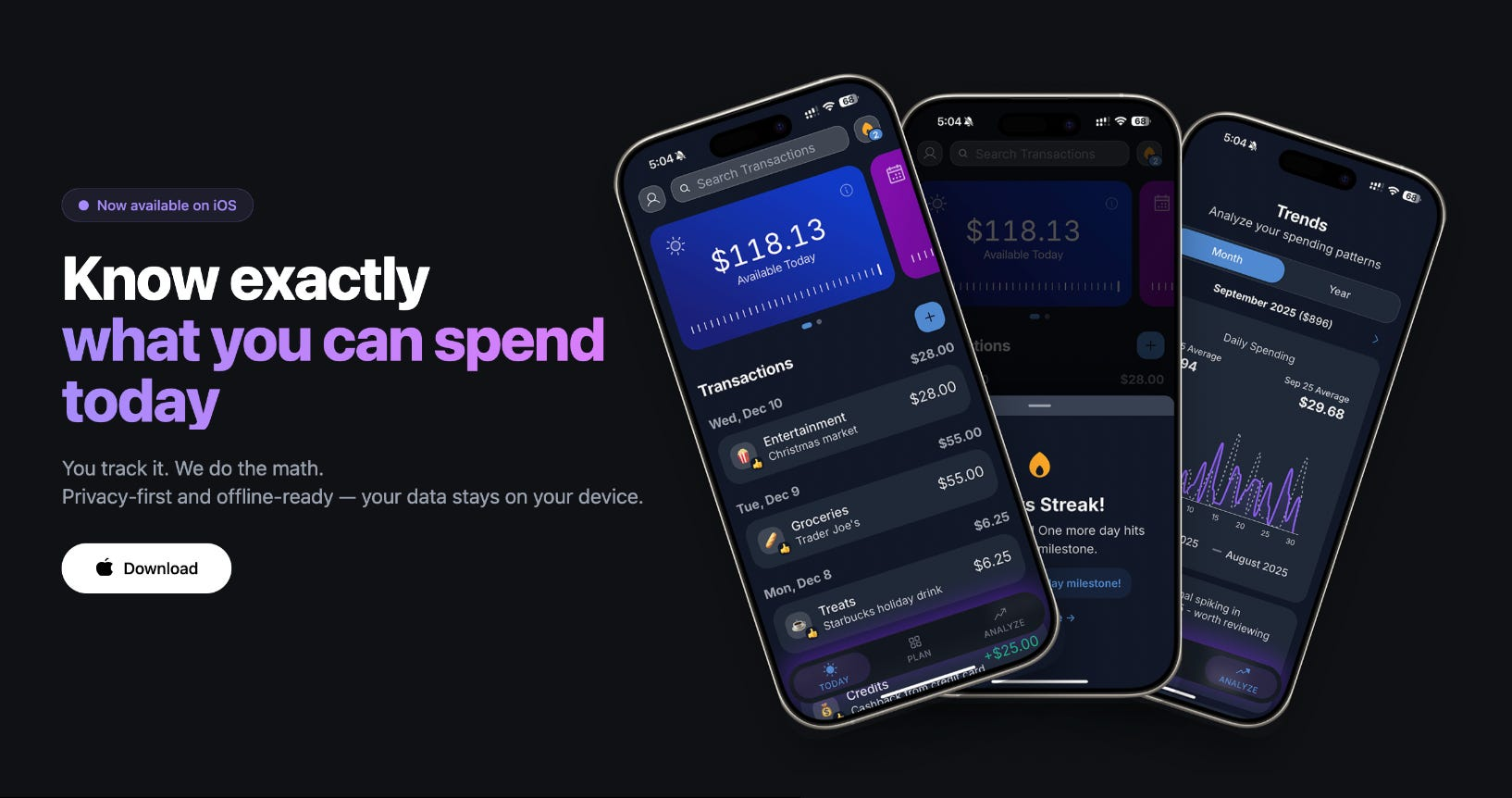
1. BentoMoney — One Number, That's It
Best for: People who want daily guidance, not a dashboard.
You enter your income and fixed expenses once. BentoMoney subtracts those plus your savings goals, then divides what's left across the days in your month. You get a single "Available Today" number that updates as you log purchases. If you're curious about the daily approach, we break down the math behind it in our $27.39 Rule post.
Worth seeing the math behind the daily number.
Spend under your daily amount? The leftover rolls into tomorrow — we call it the Windfall Effect. In YNAB, moving money between categories feels like a chore. In BentoMoney, underspending feels like a reward because your number jumps up the next morning. Positive reinforcement, built into the math.
Go over? Your future days adjust automatically. No envelopes to manage. No reconciling.
A few things that matter:
- Setup: 2 minutes. Daily use: 10 seconds
- Manual entry is the point, not the compromise — if you don't log the purchase, you don't feel it. Same psychology as paying with cash. We wrote more about why this matters for budgeting without bank connections
- No bank connections, no Plaid, no account syncing. Your data never leaves your phone
- $14.99/year or $39 lifetime
What it doesn't do: bank syncing, debt payoff tools, investment tracking. It does one thing and keeps everything else out of the way.
2. EveryDollar — Zero-Based Budgeting Made Easier
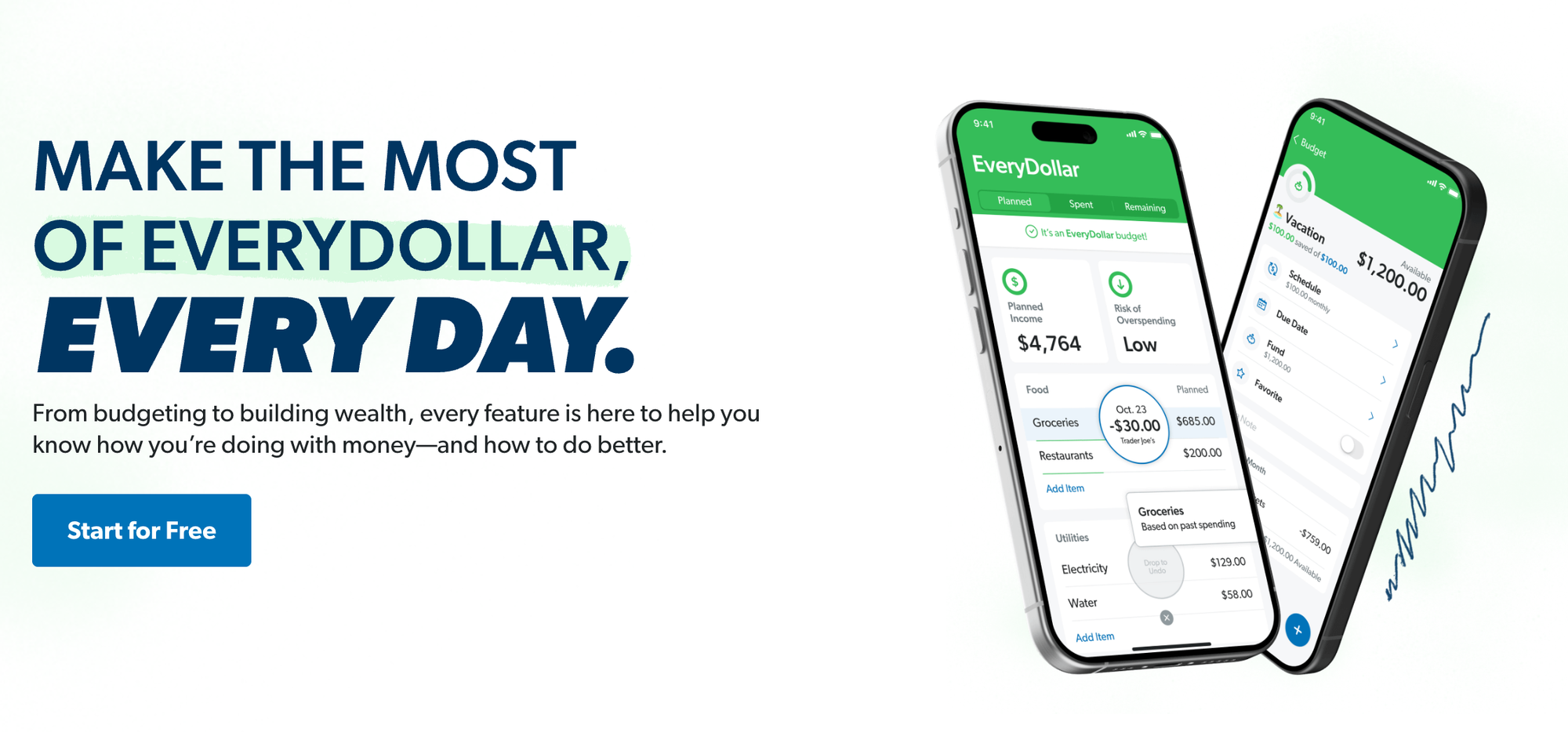
Best for: Dave Ramsey fans who want structure without YNAB's complexity.
EveryDollar uses zero-based budgeting with a cleaner interface, tied to Ramsey's "Baby Steps" plan. Free version is manual entry only. Premium ($179.99/year as part of Ramsey+) adds bank syncing.
Watch out: The free version is limited, and EveryDollar actively discourages credit card use. If you use cards responsibly, that philosophy might not fit.
3. Goodbudget — Envelopes, Simplified
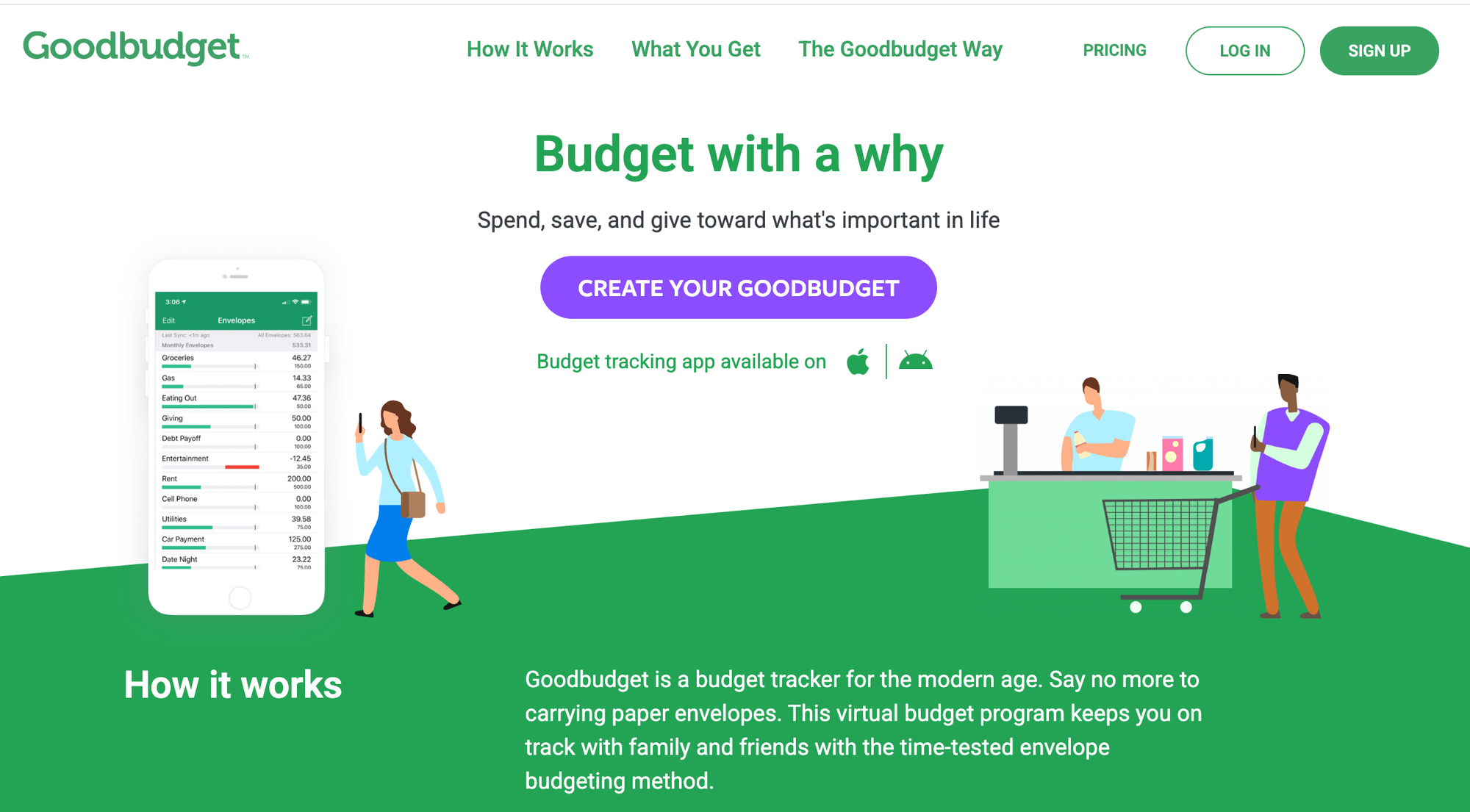
Best for: People who like the envelope concept but find YNAB's version overwhelming.
Virtual envelopes you fill at the start of each period, then track spending against them. Manual entry, no bank syncing in the free version.
Watch out: Still requires category management. Free version caps you at 10 envelopes. Plus costs $10/month or $80/year — not far from YNAB pricing.
4. Actual Budget — The Open-Source YNAB
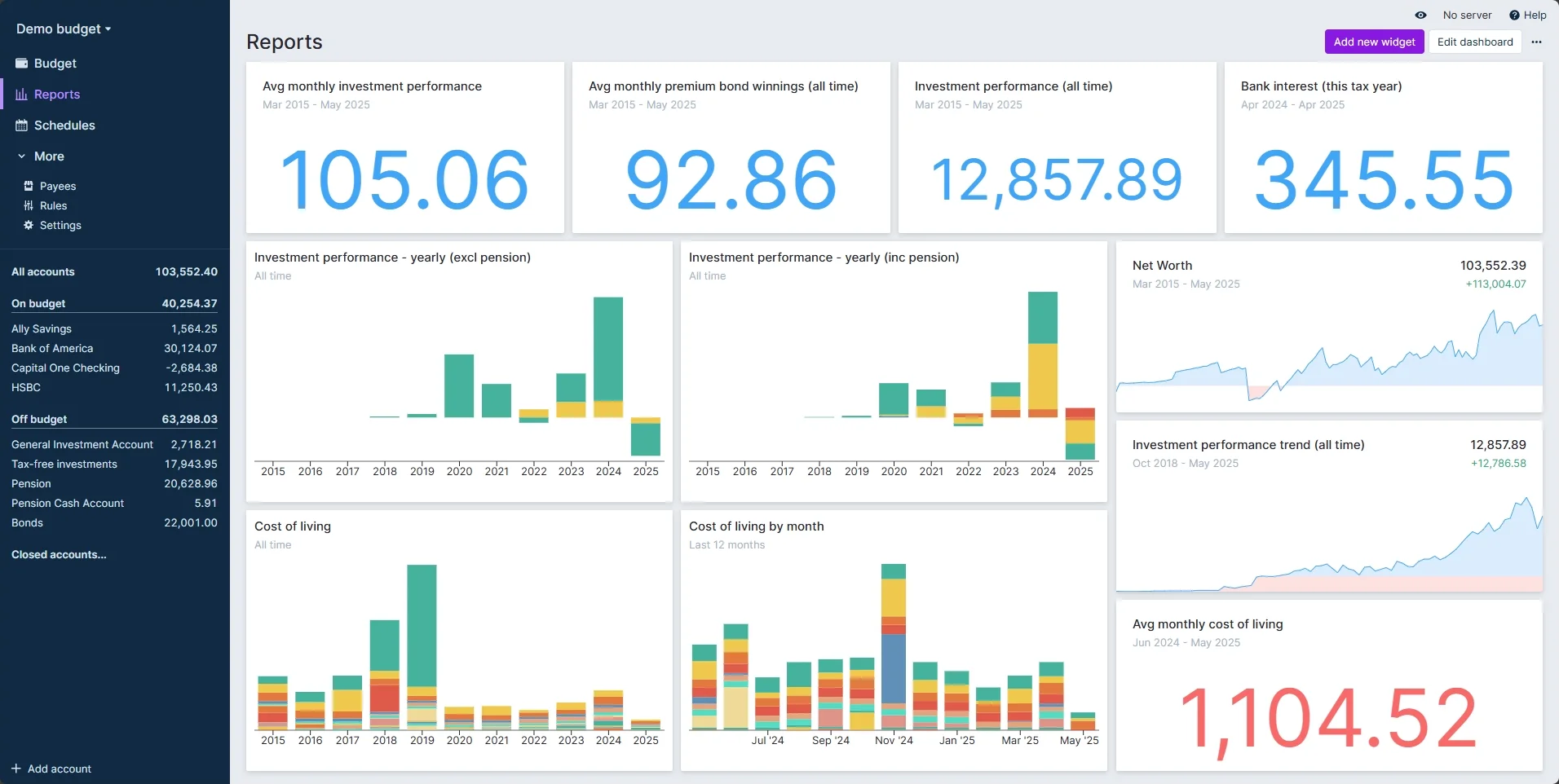
Best for: People who love YNAB's system but hate the subscription or want to own their data.
Open-source, same envelope budgeting, built-in YNAB importer. Self-host for free or use PikaPods for a few bucks a month.
Watch out: No native mobile app (web-based, add to home screen). Requires some technical comfort to set up. Smaller community. But if you want the closest 1:1 YNAB replacement without the price tag, this is it.
5. Spreadsheets — The Honest Option
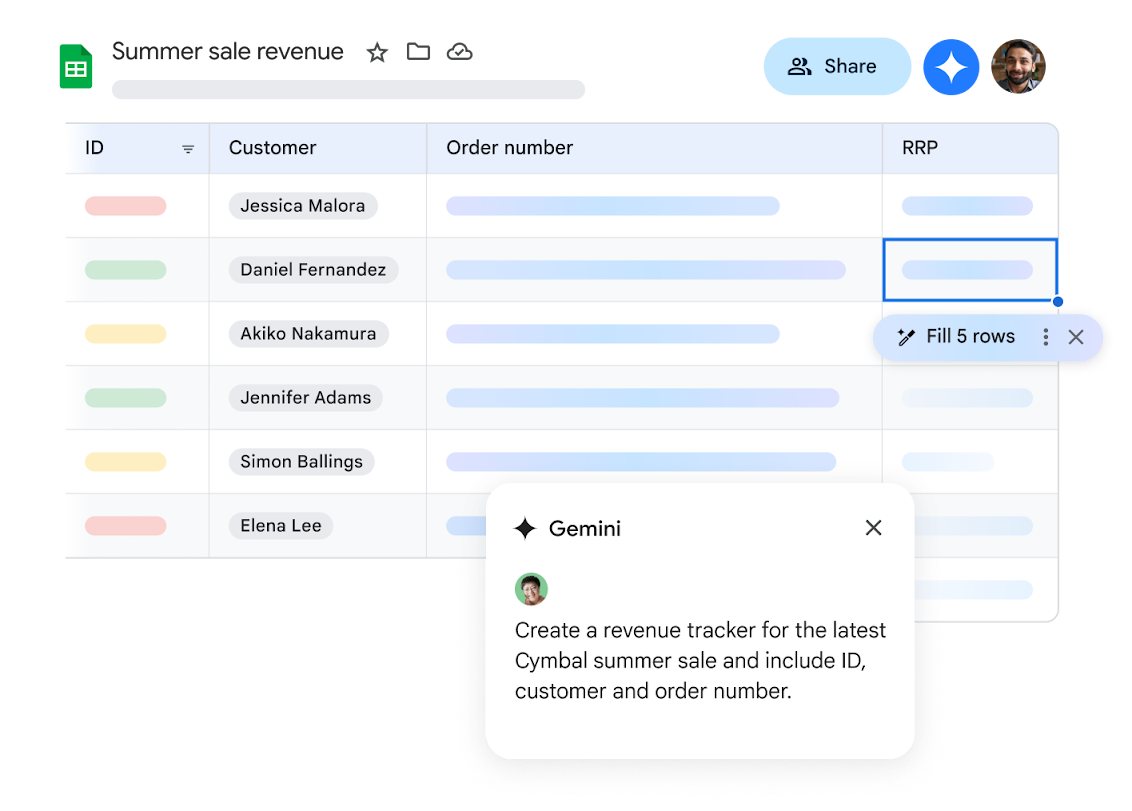
Best for: People who tried apps and realized they just want full control.
If what you liked about YNAB was the manual, hands-on approach but the app layer felt like overhead, Google Sheets or Excel might be your answer. No subscription costs. Total control.
Watch out: No mobile experience, formulas break, and maintenance eats hours every month.
How to Switch from YNAB to a Simpler Budget App
If you're moving from YNAB to a simpler app, you're not migrating. You're starting fresh. That's the point.
Trying to import 15+ YNAB categories into an app built around a single daily number is like moving from a house into a studio and trying to bring all the furniture. If you're leaving because YNAB was too complex, bringing that complexity defeats the purpose.
Here's the actual process:
- Export your YNAB data — not to import, but to review your spending patterns from the last 3-6 months
- List your fixed costs — rent, utilities, subscriptions, insurance
- Pick a savings target — how much you want to save this year, divided by 12
- Set up your new app — income, fixed expenses, savings goal. Done
- Start fresh — today is day one
Takes about 15 minutes.
FAQ
Is YNAB too complicated? For a lot of people, yes. Their 34-day trial exists because most users need that long to learn the system. If you've watched multiple tutorials and still feel lost, that's a tool mismatch, not a you problem.
What are the drawbacks of YNAB? Steep learning curve (especially credit cards), $109/year, active category management, and the fact that it works best for people who enjoy budgeting as an activity.
What is similar to YNAB but free? Actual Budget — open-source, envelope budgeting, YNAB importer. If you want something completely different, BentoMoneyis $14.99/year with a free 7-day trial or $39 lifetime.
Can I import YNAB data into BentoMoney? No. Different philosophy entirely — daily budget vs. category envelopes. Importing that structure would be like translating poetry word-for-word between languages. Start fresh. Takes 2 minutes.
How do I know if I need a simpler budget app? When was the last time you opened your budgeting app? If you can't remember, you need something simpler. An app you don't use is worse than no app at all. If you're not sure where to start, our best budget apps for beginners guide can help.
Should I try YNAB first before looking at alternatives? Only if you enjoy learning new systems. YNAB's 34-day trial is generous, but it's generous because you'll need it. If you're already overwhelmed by budgeting, starting with a simpler app makes more sense. You can always upgrade to YNAB later if you want more detail.
The Bottom Line
YNAB is a great app for people who want to be great at budgeting. Not everyone does. Some people just want to know if they can afford dinner tonight.
Stop fighting your software. If you're tired of reconciling and just want to know your number, download BentoMoney (iOS). You'll know if it works in about two minutes.
No bank password. No tutorials. Just one number.